Complete Guide to Home Renovation in the GTA

John Smith
Senior Renovation Expert
Renovating your home is an exciting journey but one that requires careful planning, smart budgeting, and attention to local regulations—especially in an area as diverse as the Greater Toronto Area (GTA). Whether you want a modern open-concept kitchen, an upgraded bathroom, or a complete makeover that adds more space and comfort, there are countless reasons why a home renovation might be on your to-do list. Yet, the process can often be overwhelming if you’re unsure where to begin. In this comprehensive guide, we’ll walk you through everything you need to know about renovating your home in the GTA, from setting realistic goals and budgets to navigating permits, trends, and challenges unique to this region.
1. Defining Your Renovation Goals
Before diving into any home renovation project, the first step is to determine the purpose behind your remodel. Are you looking to increase property value, improve energy efficiency, or add more space for a growing family? Clarifying these objectives will help you stay focused throughout the renovation journey.
1.1 Personal Enjoyment vs. Investment
- Personal Enjoyment: You may be upgrading a historic property in Old Toronto for the pleasure of living in a more modern space. This type of renovation could involve both cosmetic updates—like a fresh coat of paint or new flooring—and structural changes that make daily living more convenient.
- Return on Investment: In a competitive real estate market like the GTA, strategic renovations can significantly boost your home's resale value. Projects such as kitchen upgrades, bathroom remodels, or finishing the basement tend to offer higher returns.
1.2 Space Requirements
Another factor is how much living space you truly need. Maybe you need a home office to accommodate a growing remote work schedule or an in-law suite for extended family members. Be clear on how you plan to use the newly renovated space so you can customize the design according to your lifestyle.
2. Setting a Realistic Budget
When it comes to renovating your home in the Greater Toronto Area, budgeting is often the most critical step. Labor costs, materials, permit fees, and unexpected issues can quickly add up. A realistic budget ensures you don’t have to cut corners or halt your project midway.
2.1 Estimating Costs
Typically, in the GTA, the average home renovation could cost anywhere from a few thousand dollars for small cosmetic changes to hundreds of thousands of dollars for major overhauls. The total expense depends on:
- Scope of Work: A simple bathroom remodel is less expensive than adding a completely new room or remodeling the entire house.
- Choice of Materials: High-end finishes and luxury appliances will inflate your budget. On the other hand, mid-range but durable materials can help you save money.
- Professional Fees: Architects, designers, and contractors each charge different rates. Combining their services or choosing a firm that provides a comprehensive package might be more cost-effective.
2.2 Setting Aside a Contingency
No matter how detailed your renovation plan is, unexpected problems can and often do arise. From discovering mold in the walls to encountering structural issues in older GTA homes, it’s wise to budget an extra 10-20% of the total renovation cost as a contingency fund. This buffer ensures that surprises don’t derail your timeline or compromise quality.
2.3 Financing Options
Homeowners often use one or more of the following to finance their renovations:
- Home Equity Line of Credit (HELOC)
- Refinancing their mortgage
- Personal loans
- Savings or cash reserves
Carefully weigh the interest rates and repayment terms of each option. This is especially crucial if you plan on selling your home soon after the renovation; in such cases, ensure you can comfortably manage the debt in the interim.
3. Key Renovation Permits and Regulations in the GTA
The GTA, which encompasses Toronto, Mississauga, Brampton, Markham, Vaughan, and other municipalities, has strict building codes to ensure safety and community standards. Navigating these regulations is essential to avoid penalties or delays.
3.1 Understanding Permit Requirements
In Toronto, for example, a building permit is generally required for any renovation that involves:
- Structural changes: Removing or adding load-bearing walls
- Changing the building’s use: Turning a single-family home into a multi-unit dwelling
- Plumbing and electrical modifications
- Major additions: Adding a second story or extending your house’s footprint
However, if you’re only replacing kitchen cabinets or flooring, you might not need a building permit. Check your local municipality’s official website for up-to-date guidelines or consult with a reputable contractor who’s familiar with local codes.
3.2 Zoning By-Laws and Heritage Restrictions
Several GTA neighborhoods have zoning by-laws that can limit the height, footprint, or exterior design of your renovation. Additionally, if your home is in a heritage district, you may need specialized approval to preserve certain historical elements.
3.3 Condo Board and Other Approvals
For condo owners, renovating can be more complex due to condo board rules. In many cases, you’ll need to submit plans and wait for approval before beginning work. Remember to factor in these additional steps when estimating your renovation timeline.
4. Hiring the Right Professionals
Once you’ve clarified your goals, budget, and permit requirements, the next step is to assemble your renovation dream team. Whether you opt for a design-build firm, a general contractor, or manage subcontractors yourself, hiring the right professionals is crucial for a smooth renovation.
4.1 Choosing a Contractor
Look for a contractor with:
- Local Experience: They should be well-versed in GTA building codes and have a track record of quality work in your municipality.
- References and Reviews: Check online reviews and ask for references from previous clients. A reputable contractor will be happy to provide these.
- Clear Communication: A contractor who communicates effectively can save you time and stress. They should be transparent about timelines, cost, and any changes that arise.
4.2 Role of Architects and Designers
If you’re planning a major renovation with structural changes or a complete redesign, you might want to hire an architect or interior designer. While this adds to your upfront costs, it often pays off in:
- Better Space Utilization: Professionals can ensure every square foot is used optimally.
- Cohesive Design: An architect or designer keeps the look and feel of the renovation consistent and aligned with your goals.
- Permit Assistance: Many architects and designers handle the permit application process, saving you time.
4.3 Project Management
Some homeowners act as project managers themselves to cut costs, scheduling each phase and hiring subcontractors. However, this approach can be time-consuming and requires a deep understanding of the renovation process. If you’re juggling work and family commitments, hiring a dedicated project manager or choosing a design-build firm can streamline coordination and reduce stress.
5. Common Renovation Projects in the GTA
Homeowners in the GTA tend to focus on specific areas in their renovation plans. These projects are popular because they add value, improve daily living, and keep the property updated with modern trends.
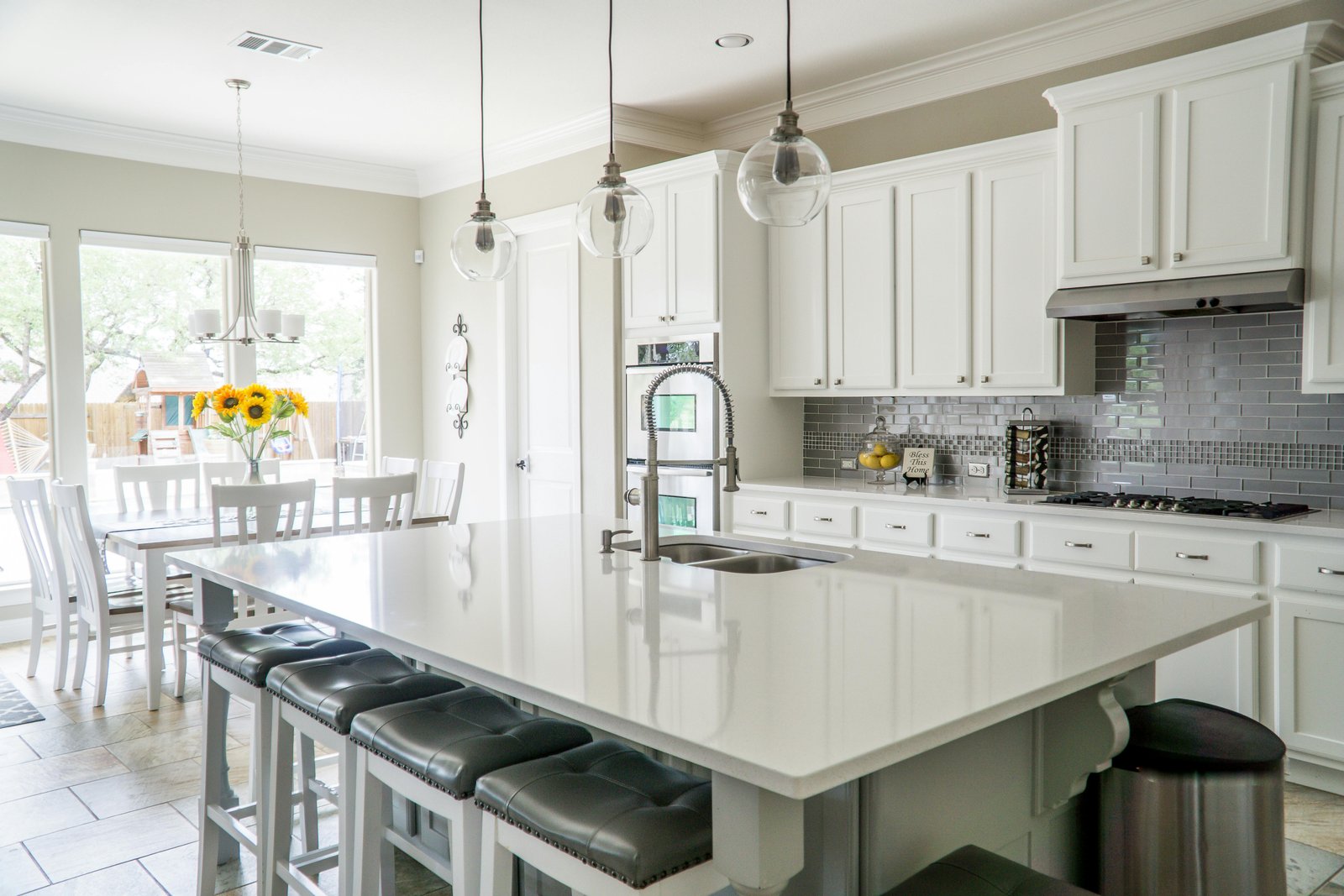
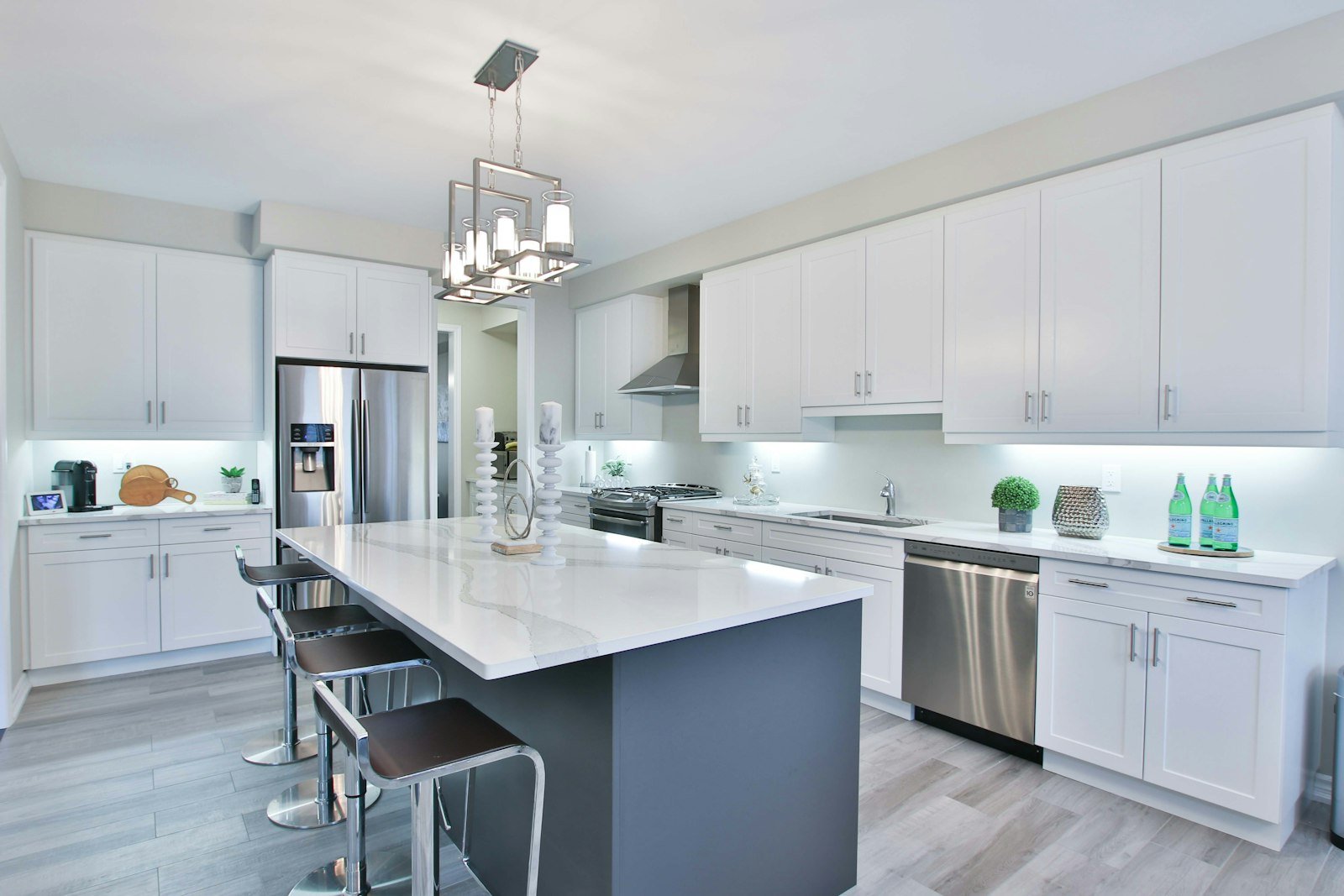
5.1 Kitchen Remodels
The kitchen is often called the heart of the home. A kitchen renovation might involve:
- Replacing countertops with more durable surfaces like quartz or granite
- Installing modern appliances for improved efficiency
- Knocking down walls for an open-concept layout, which is especially popular in Toronto’s smaller homes
5.2 Bathroom Upgrades
Upgrading bathrooms can drastically improve your quality of life and add significant resale value. Common changes include:
- Walk-in showers with frameless glass enclosures
- Freestanding tubs for a touch of luxury
- Heated floors, which are particularly useful during cold GTA winters
5.3 Basement Finishing
Finishing the basement can increase your living space or provide a separate rental suite (subject to local bylaws and permits). Many homeowners turn basements into:
- Home theaters
- Guest rooms or in-law suites
- Recreation areas for family activities
5.4 Exterior Updates
Boosting curb appeal can be done through:
- Landscaping: Adding greenery, walkways, and lighting
- New siding or brickwork
- Modern windows and doors to improve energy efficiency
5.5 Adding a Second Story
With land in the GTA at a premium, going up instead of out has become common. Adding a second story requires thorough planning, structural assessments, and likely multiple permits. But it’s an excellent way to gain more space without losing yard area.
6. Sustainable Renovation Trends
As environmental awareness grows, sustainable renovations have taken center stage in the GTA. Eco-friendly materials and energy-efficient solutions not only reduce your carbon footprint but can also provide long-term cost savings.
6.1 Energy-Efficient Upgrades
Consider features like:
- High-efficiency HVAC systems to reduce heating and cooling costs
- Triple-pane windows for better insulation
- LED lighting and smart thermostats
Many municipalities in the GTA offer rebates or incentives for energy-saving home improvements, so do some research to see if you qualify for cost reductions.
6.2 Eco-Friendly Materials
Opting for sustainable materials can be good for both the planet and your budget over time. Examples include:
- Bamboo or cork flooring, which are rapidly renewable
- Low-VOC (Volatile Organic Compounds) paints to improve indoor air quality
- Reclaimed wood for a rustic, eco-conscious aesthetic
7. Incorporating Smart Home Technology
Integrating smart technology into your renovation is an effective way to increase convenience, improve security, and potentially boost your property value.
7.1 Smart Lighting
Devices like smart bulbs and automated lighting systems let you control brightness and color temperature via phone or voice commands. These features can also help lower energy consumption by automatically adjusting based on occupancy or time of day.
7.2 Security and Surveillance
With smart doorbells, motion sensors, and remote-access cameras, you can keep an eye on your property whether you’re at work, on vacation, or simply in another room. Such upgrades are increasingly popular in urban areas and can be a selling point for future buyers.
7.3 Voice-Activated Assistants
Systems like Google Home, Amazon Alexa, or Apple HomeKit integrate seamlessly into your daily routine, controlling everything from music to thermostat settings. This technology is especially helpful if you’re renovating to create an accessible living space for seniors or individuals with mobility challenges.
8. Navigating Seasonal Considerations
The GTA’s four distinct seasons can influence the best time for renovations. Winter temperatures can slow down or complicate work that involves significant outdoor activity, like roofing or additions. However, indoor projects—like basement finishing—can continue year-round if you have proper heating and insulation.
8.1 Spring and Summer Advantages
- Favorable Weather: Easier to do exterior work like roofing or siding
- Longer Daylight Hours: Allows contractors to get more done
- Potential Scheduling Conflicts: Prime time for construction, so your preferred contractor may be booked far in advance
8.2 Fall and Winter Benefits
- Contractor Availability: Some contractors might have more open schedules in the off-season
- Price Negotiation: Material suppliers may offer discounts to move inventory
- Indoor Projects Only: If you’re tackling something like kitchen remodeling or bathroom upgrades, you might find it easier to schedule in the winter
9. Neighborhood-Specific Renovation Tips in the GTA
Every neighborhood in the Greater Toronto Area has its own unique architectural style, community guidelines, and demographic. Here’s how to approach renovations in a few popular locales:
9.1 Toronto’s Urban Core
- Space Constraints: Many homes are semi-detached with limited footprints. Open-concept designs and creative storage solutions are key.
- Parking and Access: Check local regulations for placing construction dumpsters or parking contractors’ vehicles.
- Heritage Districts: In areas like Cabbagetown or Rosedale, heritage restrictions may limit your exterior modifications.
9.2 Suburban Areas (Mississauga, Brampton, Vaughan)
- Lot Size: Typically larger than downtown Toronto, allowing for home additions or significant landscaping projects.
- HOA or Community Rules: Some suburban developments have Homeowners’ Associations that set guidelines for aesthetics and landscaping.
- Family-Focused Upgrades: Homes here might benefit from finished basements, recreation rooms, and open kitchen layouts.
9.3 Rapidly Developing Locales (Markham, Richmond Hill)
- Newer Builds: Many of these areas feature relatively new homes with modern floor plans, so renovation might involve upgrading finishes or adding energy-efficient features.
- Cultural Considerations: Markham has a diverse population, so certain design elements like extended spice kitchens or additional living suites for multi-generational families could be beneficial.
10. How to Manage Your Project Timeline
Time management is essential for a successful renovation. Juggling permits, contractors, and deliveries can be complex, so it’s wise to break down your project into phases.
10.1 Pre-Construction Phase
- Design and Planning: Finalize architectural drawings, interior designs, and get permit approvals.
- Budget Confirmation: Lock in cost estimates and confirm financing.
10.2 Construction Phase
- Demolition: Clear out old structures, walls, or fixtures.
- Structural Work: Replace or reinforce framing, plumbing, and electrical systems.
- Finishing: Install floors, cabinetry, fixtures, and final paint.
10.3 Post-Construction Phase
- Inspection: Complete a final inspection to ensure all work meets building codes.
- Cleanup: Remove debris, dust, and leftover materials.
- Final Walk-Through: Check for any pending tasks or minor touch-ups before making the final payment.
Expect delays—weather, permit processing times, or materials backorders can shift your timeline. Maintaining regular communication with your contractor helps you stay updated and adjust as needed.
11. Maximizing Your Investment for Resale
Even if you don’t plan to sell immediately, you might want your renovation to pay off in the long run. In the Greater Toronto Area, certain upgrades are more appealing to prospective buyers than others.
11.1 Focus on High-Impact Areas
- Kitchen: A modern, functional kitchen is often at the top of buyers’ wish lists.
- Bathrooms: Even a minor bathroom update can make a lasting impression.
- Basement Suites: With the high cost of housing in the GTA, many buyers appreciate a potential income stream through basement rentals.
11.2 Neutral yet Stylish Design
Go for a timeless aesthetic if you’re renovating with resale in mind. Neutral colors on walls and classic fixtures appeal to a broad range of buyers. You can still add personality through easily changeable elements like light fixtures, backsplashes, and decor.
11.3 Energy Efficiency and Smart Features
Buyers are increasingly conscious of energy consumption and sustainability. Showcasing energy-efficient windows, a smart thermostat, or solar panels can differentiate your property from the competition.
12. The Art of Living Through Renovations
Living in a renovation zone is no small feat. Dust, noise, and limited access to certain rooms can disrupt daily routines. Here are some tips to make the process more manageable:
12.1 Temporary Relocation
- Short-Term Rentals: Some homeowners opt to move out temporarily. This can speed up construction since contractors won’t have to work around you.
- Staying with Family: If you have local relatives willing to host you, it can save money and stress during the most disruptive phases.
12.2 Setting Up a Temporary Kitchen or Bathroom
If you remain in your home, designate a temporary kitchen in another room, equipped with a microwave, mini-fridge, and portable hot plate. For bathroom renovations, coordinate carefully with your contractor to minimize downtime.
12.3 Protecting Non-Renovated Areas
- Plastic Sheeting: Seal off construction zones to limit dust spread.
- Floor Protection: Use temporary flooring or protective mats to guard against debris and stains.
13. Collaboration and Communication
One of the biggest challenges in any renovation project is keeping everyone on the same page. Between you, your contractor, designer, and possibly other professionals, miscommunication can lead to cost overruns and delays.
13.1 Regular Meetings
Schedule weekly or bi-weekly check-ins with your renovation team. Use these sessions to:
- Discuss progress
- Address concerns or questions
- Review upcoming tasks and deadlines
13.2 Transparent Record-Keeping
Maintain clear records of costs, receipts, permits, and contracts. Being organized prevents misunderstandings and helps you stay within budget.
14. Staying on Top of Trends Without Sacrificing Timelessness
While it’s tempting to incorporate the latest design trends, some styles may date quickly. Striking a balance between contemporary and classic ensures your renovation remains appealing for years to come.
14.1 Mixing Materials
Combining modern materials like stainless steel and concrete with natural elements like wood or stone creates visual interest. A balanced design can outlast rapidly shifting trends.
14.2 Color Palettes
In many GTA homes, neutral walls with bold accent pieces have become a common approach. This way, you can easily refresh your look by swapping out decor.
15. Conclusion
Renovating your home in the Greater Toronto Area can be a rewarding yet complex venture. From defining your renovation goals and setting a realistic budget to navigating local permits and finding the right professionals, preparation is the key to a smooth experience. By staying informed about the unique considerations in the GTA—such as zoning, heritage restrictions, and seasonal challenges—you can ensure that your renovation project meets your needs while enhancing your property value.
Whether you’re upgrading for personal enjoyment, seeking a high return on investment, or both, a well-thought-out renovation can transform your living space into a dream home that truly reflects your style and needs. As you embark on this journey, remember to plan meticulously, communicate openly with your renovation team, and allocate enough time and budget for unexpected twists. With careful attention to detail and a focus on quality, you’ll soon enjoy the lasting benefits of a beautifully renovated home in one of Canada’s most dynamic regions.